

Ha Noi city tour guide speak English
Tran Quoc Pagoda – History, Legends, and the Oldest Pagoda in Hanoi
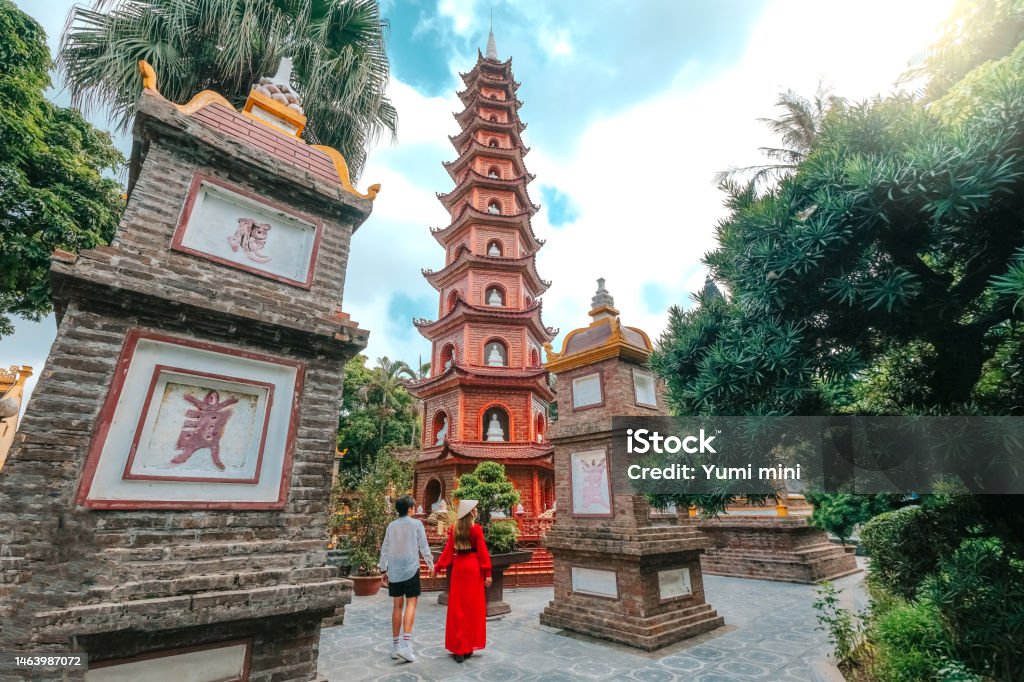
Located on a small island on West Lake (Ho Tay), Tran Quoc Pagoda is the oldest Buddhist temple in Hanoi and one of the most sacred religious sites in Vietnam. With a history spanning more than 1,500 years, this pagoda is deeply connected to Vietnam’s spiritual life, royal history, and national identity. Today, it is a must-visit destination for international travelers exploring Hanoi.
⭐ Location of Tran Quoc Pagoda
Tran Quoc Pagoda is situated on Thanh Nien Road, between West Lake (Ho Tay) and Truc Bach Lake. Its peaceful lakeside setting, surrounded by water and ancient trees, creates a calm atmosphere that contrasts beautifully with Hanoi’s busy streets.
⭐ History and Origin of Tran Quoc Pagoda
✔ Founded in the 6th Century
Tran Quoc Pagoda was originally built in 541 AD during the reign of King Ly Nam De, under the name Khai Quoc Pagoda. It was constructed to pray for national peace and prosperity.
✔ Relocated Due to River Erosion
In the 17th century, due to erosion from the Red River, the pagoda was moved to its current location on West Lake.
✔ Why Is It Called “Tran Quoc”?
The name “Tran Quoc” means “Protecting the Nation.”
This name was given during the reign of King Le Hy Tong (1681), expressing the belief that the pagoda safeguards the country and brings peace to the people.
⭐ Who Is Worshipped at Tran Quoc Pagoda?
Tran Quoc Pagoda is a Buddhist temple, mainly worshipping:
-
Shakyamuni Buddha – the founder of Buddhism
-
Amitabha Buddha – symbol of compassion and salvation
-
Avalokiteshvara (Goddess of Mercy) – protector of beings
-
Historical monks and Buddhist masters
It also honors national guardians and spiritual protectors, reflecting the blend of Buddhism and Vietnamese beliefs.
⭐ Historical Relics and Highlights of Tran Quoc Pagoda
🏯 1. The 11-Storey Stupa
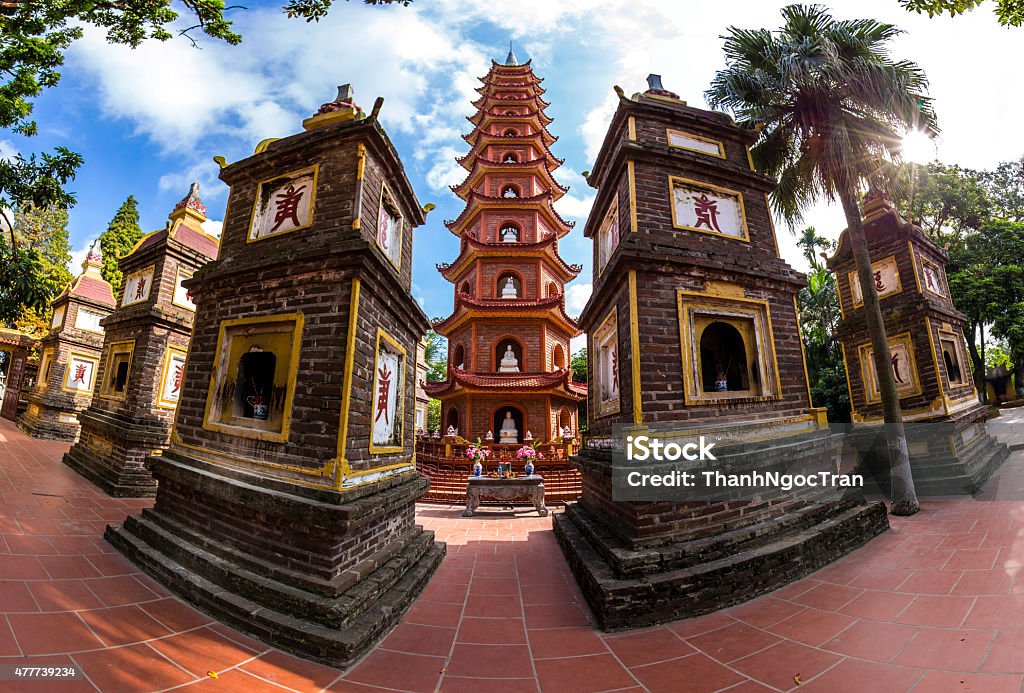
Built in 1998, this red-brick stupa stands 15 meters tall and houses precious Buddha statues inside each level.
🌳 2. Sacred Bodhi Tree
A Bodhi tree gifted by Indian President Rajendra Prasad in 1959, believed to be a descendant of the original tree under which Buddha attained enlightenment.
🪔 3. Ancient Statues and Artifacts
The pagoda preserves valuable statues, wooden carvings, and stone steles dating back centuries.
🕯️ 4. Royal and National Connections
Many Vietnamese kings visited the pagoda to pray for national stability, making it closely linked to royal history.
⭐ Cultural and Spiritual Significance
Tran Quoc Pagoda is not only a religious site but also a symbol of:
-
National protection and peace
-
Buddhist influence in Vietnamese culture
-
Harmony between nature and spirituality
It has been listed among the most beautiful pagodas in the world by international travel magazines.
⭐ Why International Tourists Should Visit Tran Quoc Pagoda
-
Oldest pagoda in Hanoi (1,500+ years)
-
Beautiful lakeside scenery on West Lake
-
Important historical and spiritual site
-
Easy access from Old Quarter
-
Ideal for photography, meditation, and cultural exploration
