



Ha Noi city tour guide speak English
Hanoi 36 Old Streets – History, Origin, Street Names & Cultural Heritage
The Hanoi Old Quarter, often called the 36 Ancient Streets, is one of the most iconic cultural and historical areas in Vietnam. Located in the heart of Hanoi, this district reflects more than 1,000 years of urban development, traditional craftsmanship, and the unique lifestyle of Vietnamese people.
⭐ 1. The Origin of Hanoi Old Quarter
The Hanoi Old Quarter began forming during the Ly and Tran Dynasties (11th–14th century), when the capital of Vietnam—known then as Thang Long—became a major trading hub. Local Vietnamese craftsmen and merchants started settling here, creating small villages inside the city walls.
Through centuries, Chinese, French, and local Vietnamese influences blended together, shaping the Old Quarter into a vibrant center of commerce and culture.
⭐ 2. Who Built the Hanoi Old Quarter?
The Old Quarter was not built by one king or one government. Instead, it was developed gradually by:
-
Traditional craft guilds
-
Vietnamese local communities
-
Merchants and craftsmen from different regions
-
Foreign traders (Chinese, French, and others)
Each craft guild settled on one street and specialized in producing or selling a particular item. Over hundreds of years, these craft streets became the 36 famous streets of Hanoi.

⭐ 3. Why Do the Streets Have Names Like “Hang Dao” or “Hang Chieu”?
The streets in the Old Quarter are named after the products or crafts traditionally sold there.
The word “Hàng” means “merchandise” or “shop of”.
✔ Examples of Street Names:
-
Hàng Đào – The “Street of Pink Dyed Silk” where artisans dyed fabrics and sold silk.
-
Hàng Chiếu – The “Street of Bamboo Mats” where craftsmen made and sold sleeping mats.
-
Hàng Bạc – The silver-making street.
-
Hàng Mã – The street selling paper votive products.
-
Hàng Tre – The street selling bamboo goods.
These names have been preserved for centuries and remain an important part of Hanoi’s cultural identity.
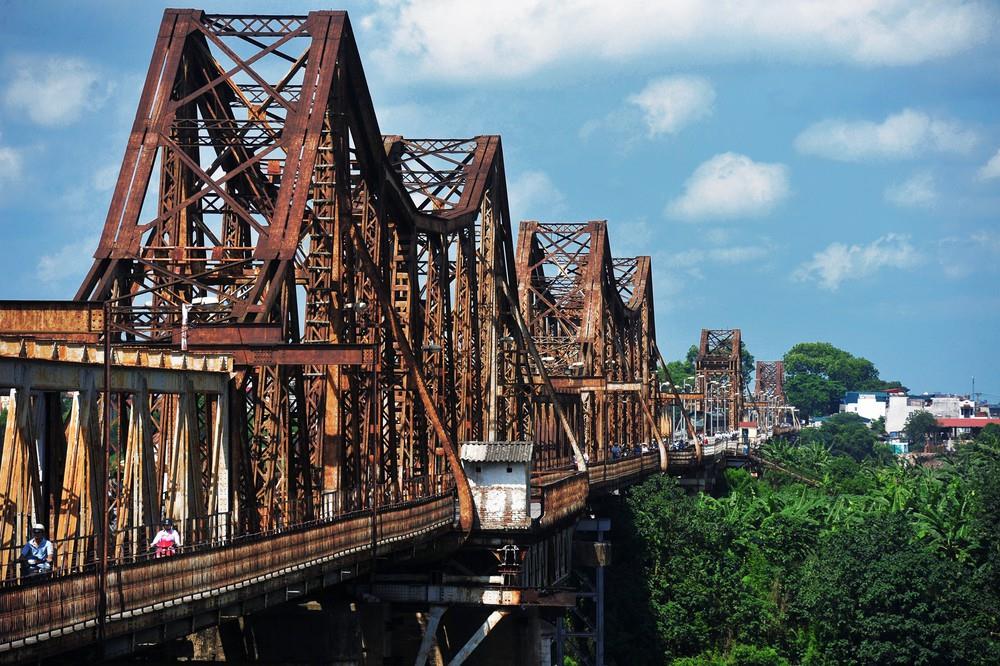
⭐ 4. How Many Wars Has the Old Quarter Survived?
The Hanoi Old Quarter has survived multiple wars and historical events, including:
-
Conflicts during ancient dynasties
-
French colonization
-
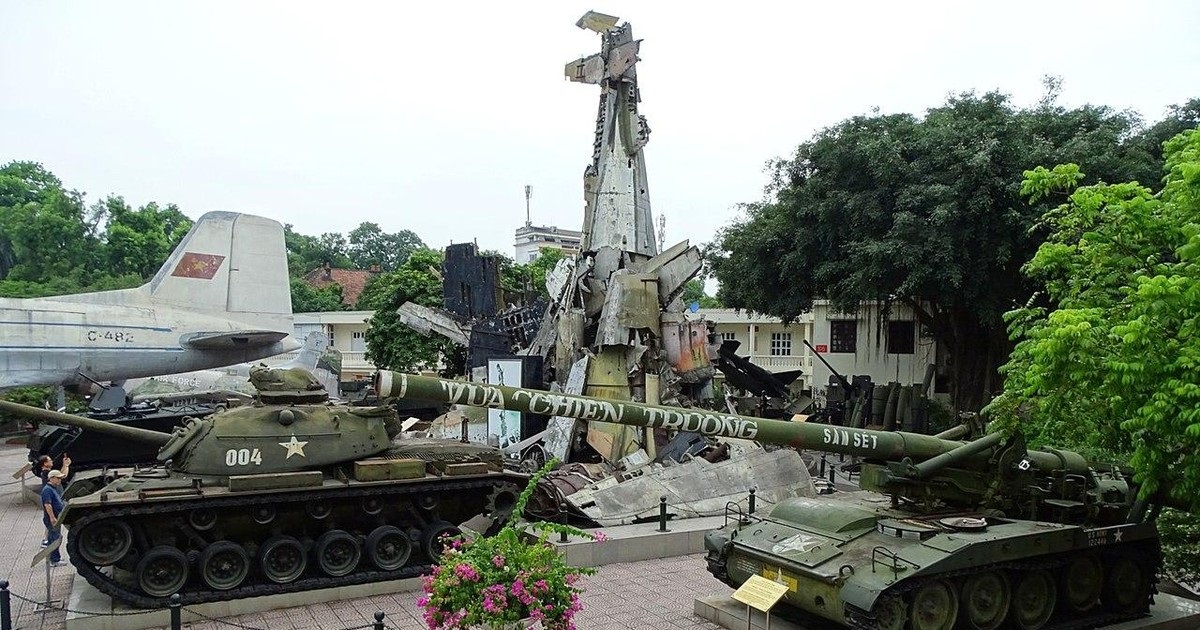
Wars of resistance in the 20th century
Despite destruction and rebuilding, the Old Quarter retains much of its traditional architecture and cultural spirit.
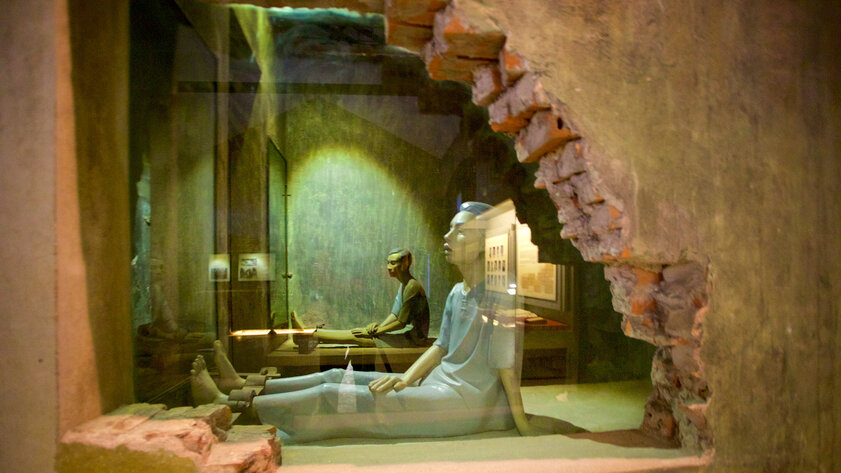
⭐ 5. What Makes Hanoi 36 Streets Special Today?
Today, the Old Quarter is the cultural soul of Hanoi—an essential stop for international tourists.
✨ Highlights of the Old Quarter:
-
Narrow streets full of traditional houses
-
Ancient temples and communal houses
-
Local craft workshops
-
Street food stalls
-
Night markets and walking streets
-
French colonial buildings mixed with Vietnamese heritage
Visitors can still feel the charm of old Hanoi through its lifestyle, architecture, and craftsmanship.
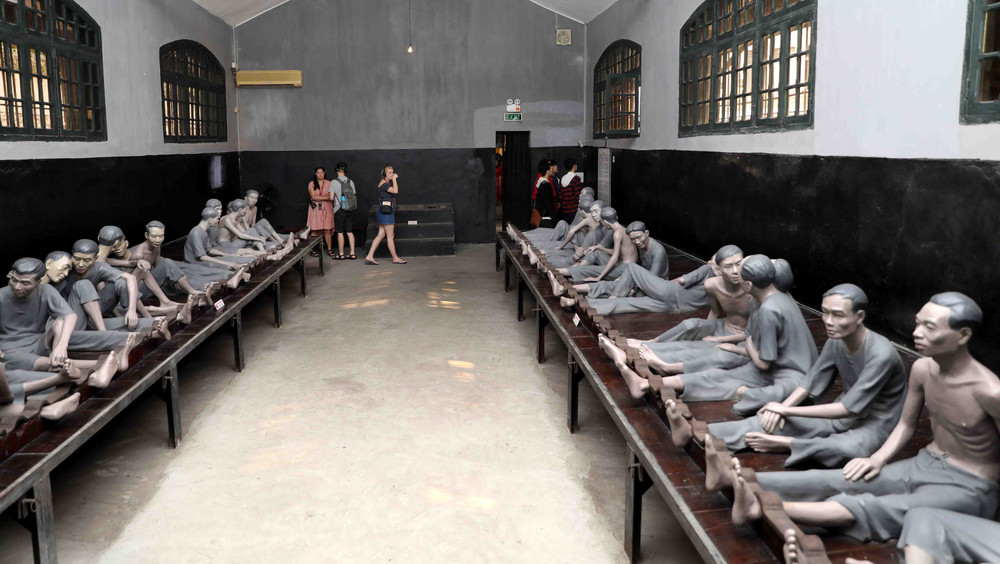
⭐ 6. Must-Visit Spots in Hanoi Old Quarter
-
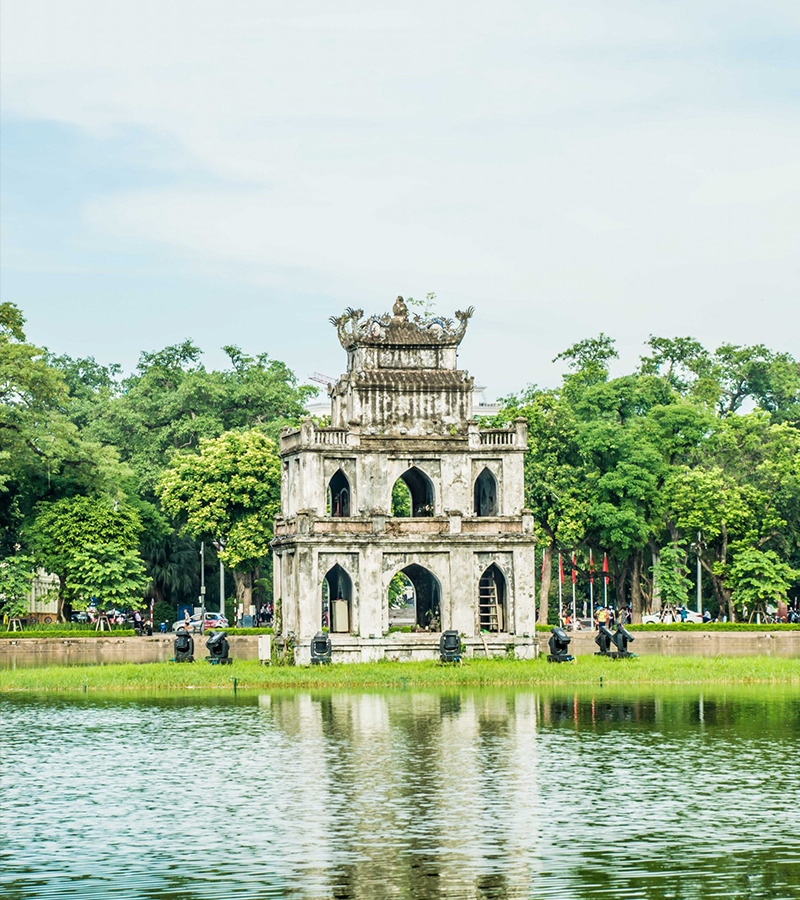
Hoan Kiem Lake & Ngoc Son Temple
-
Dong Xuan Market
-
Bach Ma Temple
-
O Quan Chuong Ancient Gate
-
Traditional craft streets (Hang Gai, Hang Bac, Hang Ma…)
