






Ha Noi city tour guide speak English
Bat Trang Pottery Village – History, Origins, and Highlights for Visitors
Located on the banks of the Red River, just about 13 km from Hanoi Old Quarter, Bat Trang Pottery Village is one of the oldest and most famous traditional craft villages in Vietnam. With a history spanning more than 700 years, Bat Trang is a must-visit destination for travelers who want to discover Vietnamese culture, craftsmanship, and local life.

⭐ When Was Bat Trang Village Established?
✔ Origins in the 14th–15th Century
According to historical records and legends, Bat Trang Pottery Village was founded around the 14th century, during the Ly–Tran dynasties. Some sources trace its roots even earlier, back to the time when Vietnamese craftsmen migrated from Bo Bat village (Ninh Binh) to the Red River Delta.
✔ Migration of Skilled Potters
Artisans from Bo Bat moved to this area in search of:
-
High-quality white clay
-
Easy access to water and transportation via the Red River
-
Better trade opportunities with the capital Thang Long (ancient Hanoi)
This migration laid the foundation for Bat Trang’s long-lasting pottery tradition.
⭐ Why Did Local People Choose Pottery as Their Main Craft?
🌱 Abundant Natural Resources
Bat Trang has rich clay deposits that are ideal for producing ceramics, porcelain, and pottery.
🚢 Strategic Location
Situated along the Red River, Bat Trang could easily transport goods by boat to Thang Long and other regions, making pottery production highly profitable.
🏯 Royal & Cultural Demand
Bat Trang ceramics were used by:
-
The royal court
-
Temples and pagodas
-
Households across northern Vietnam
This strong demand helped the pottery profession thrive for centuries.
⭐ Historical Development of Bat Trang Pottery
-
15th–17th centuries: Golden age of ceramic production and export
-
18th–19th centuries: Expansion of styles, glazing techniques, and decorations
-
20th century: Preservation of traditional methods alongside modernization
-
Today: Bat Trang is both a production center and a cultural tourism village
⭐ Highlights of Bat Trang Pottery Village
🏺 1. Traditional Pottery Workshops
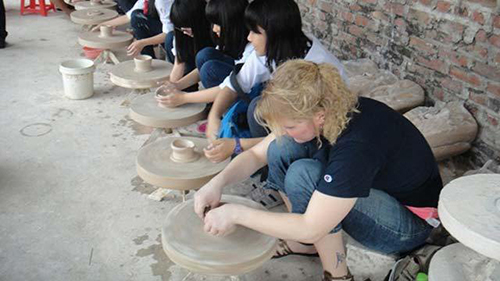
Visitors can watch artisans shaping clay on spinning wheels and firing kilns using techniques passed down through generations.
🎨 2. Hands-on Pottery Experience
Tourists can create and paint their own ceramic products—a fun and memorable activity.
🏛️ 3. Bat Trang Ceramic Museum
A modern architectural masterpiece showcasing centuries of ceramic history, styles, and innovation.
🛍️ 4. Bat Trang Pottery Market
A lively market selling vases, bowls, tea sets, souvenirs, and decorative items at affordable prices.
🏠 5. Ancient Village Architecture
Explore narrow brick lanes, communal houses, and traditional homes that reflect village life.

⭐ Why Bat Trang Is a Must-Visit for Tourists
-
Over 700 years of ceramic history
-
Authentic Vietnamese craft village
-
Interactive cultural experience
-
Easy half-day or day trip from Hanoi
-
Perfect for families, art lovers, and culture enthusiasts
