


Ha Noi city tour guide speak English
Ho Chi Minh Mausoleum – History, Construction, and a Must-Visit Landmark in Hanoi
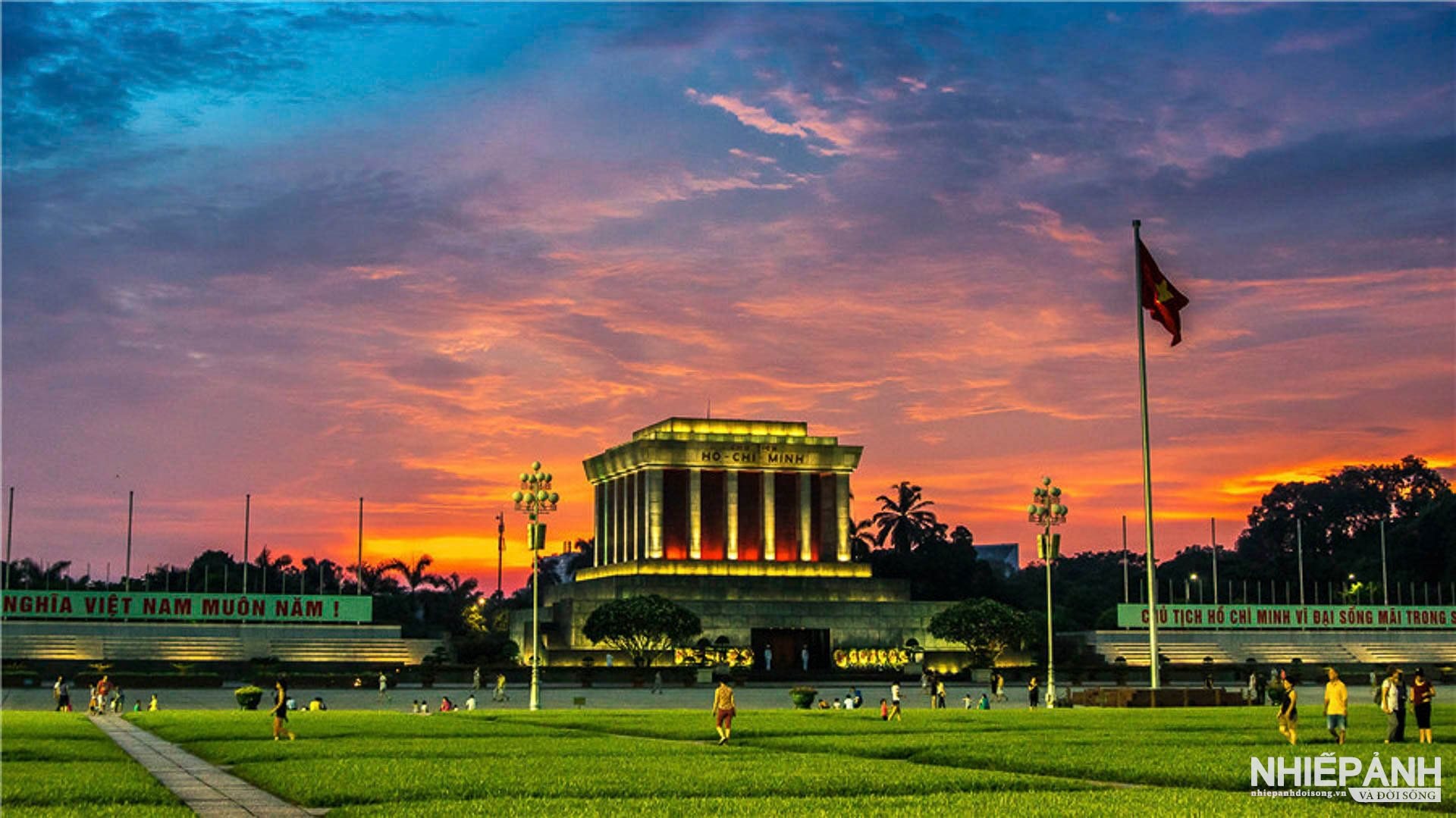
The Ho Chi Minh Mausoleum is one of the most important historical and political landmarks in Vietnam. Located in Ba Dinh Square, Hanoi, this solemn monument preserves the body of President Ho Chi Minh, the founder of modern Vietnam. Today, it is a must-visit destination for international travelers who want to understand Vietnam’s modern history and national identity.
⭐ Historical Background of the Ho Chi Minh Mausoleum
✔ President Ho Chi Minh and His Legacy
President Ho Chi Minh (1890–1969) led Vietnam’s struggle for independence and is deeply respected as the nation’s greatest leader. After his passing on September 2, 1969, the Vietnamese people expressed a strong desire to preserve his body as a symbol of unity and remembrance.
✔ Decision to Build the Mausoleum
Despite Ho Chi Minh’s wish for a simple cremation, the Vietnamese government decided to build a mausoleum so future generations could pay their respects.
⭐ When Was the Ho Chi Minh Mausoleum Built?
-
Construction started: September 2, 1973
-
Completed: August 29, 1975
-
Officially opened: August 1975
The design was inspired by Lenin’s Mausoleum in Moscow, combined with traditional Vietnamese architectural elements.
⭐ Architectural Features of the Mausoleum
-
Height: 21.6 meters
-
Structure: Three-tiered granite building
-
Materials sourced from all regions of Vietnam
-
Inscription: “CHU TICH HO-CHI-MINH” on the front
The interior houses the preserved body of Ho Chi Minh in a quiet, respectful setting.
⭐ Historical Sites Around the Mausoleum Complex
🏛️ Ba Dinh Square
Where Ho Chi Minh declared Vietnam’s independence on September 2, 1945.
🏠 Presidential Palace
A French colonial building used for official receptions.
🌿 Ho Chi Minh’s Stilt House
Where President Ho Chi Minh lived and worked from 1958 to 1969.
🏯 One Pillar Pagoda
An iconic Buddhist pagoda built in the 11th century.
⭐ Visiting Rules & Etiquette
-
Dress modestly (covered shoulders and knees)
-
No photography inside the mausoleum
-
Maintain silence and respect
-
Open mornings only; closed on Mondays & Fridays
⭐ Why International Tourists Should Visit
-
Learn about Vietnam’s modern history
-
Experience a solemn national monument
-
Visit multiple historical sites in one area
-
Central location in Hanoi
