Ninh Binh Tour 1 Day
Trang An & Mua Cave – History, Origins, and Why They Are Must-Visit Heritage Sites in Vietnam
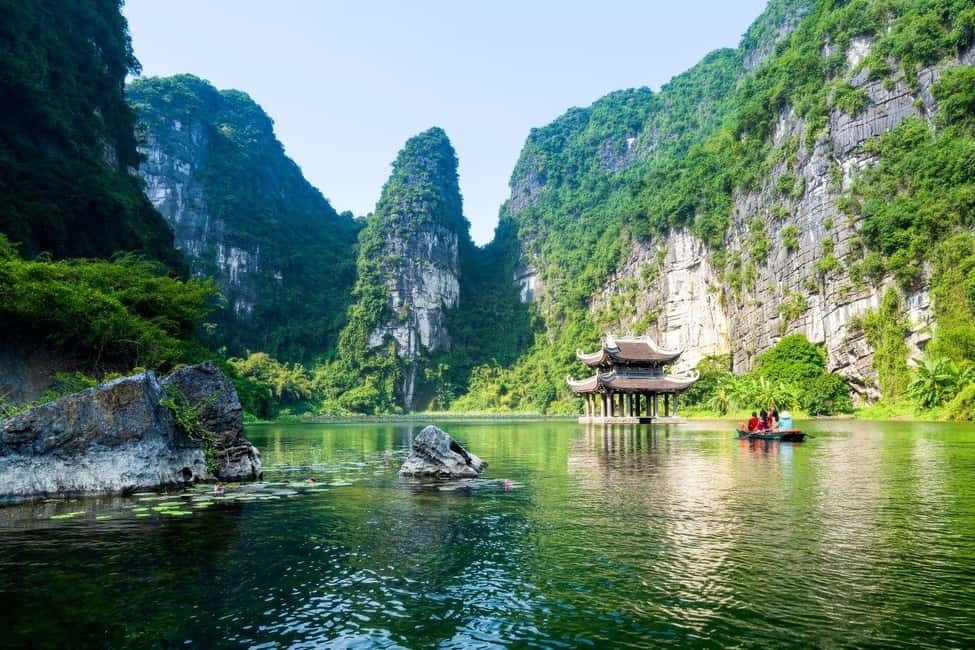
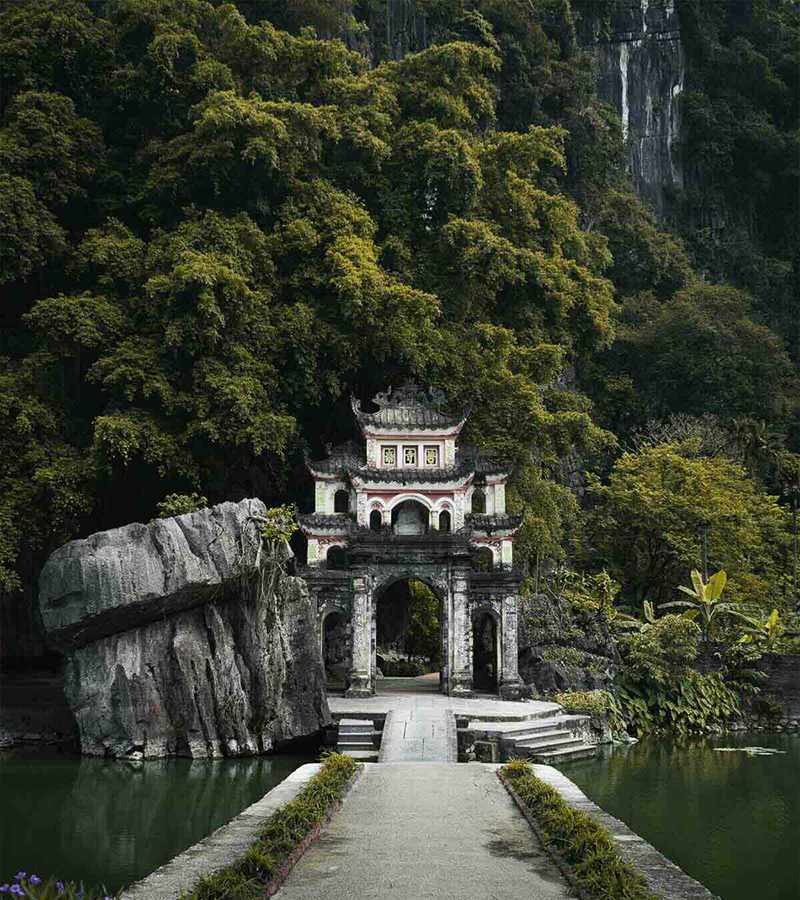
Located in Ninh Binh Province, Trang An Scenic Landscape Complex and Mua Cave (Hang Mua) are two of Vietnam’s most important natural and historical heritage sites. Together, they represent a unique combination of geological wonders, ancient history, spiritual culture, and breathtaking scenery, attracting millions of domestic and international visitors each year.
⭐ Why Do Trang An and Mua Cave Exist?
✔ Formed by Nature Millions of Years Ago
Both Trang An and Mua Cave are part of a vast limestone karst system formed millions of years ago by tectonic movements, erosion, and underground rivers. These natural processes created dramatic mountains, caves, valleys, and waterways that still shape the landscape today.
✔ Connected to Vietnam’s Ancient Capital – Hoa Lu
From the 10th century, this region played a key role in Vietnamese history.
When Hoa Lu became Vietnam’s first capital under the Dinh and Early Le dynasties, the surrounding mountains and caves served as natural fortresses, protecting the kingdom from invaders.
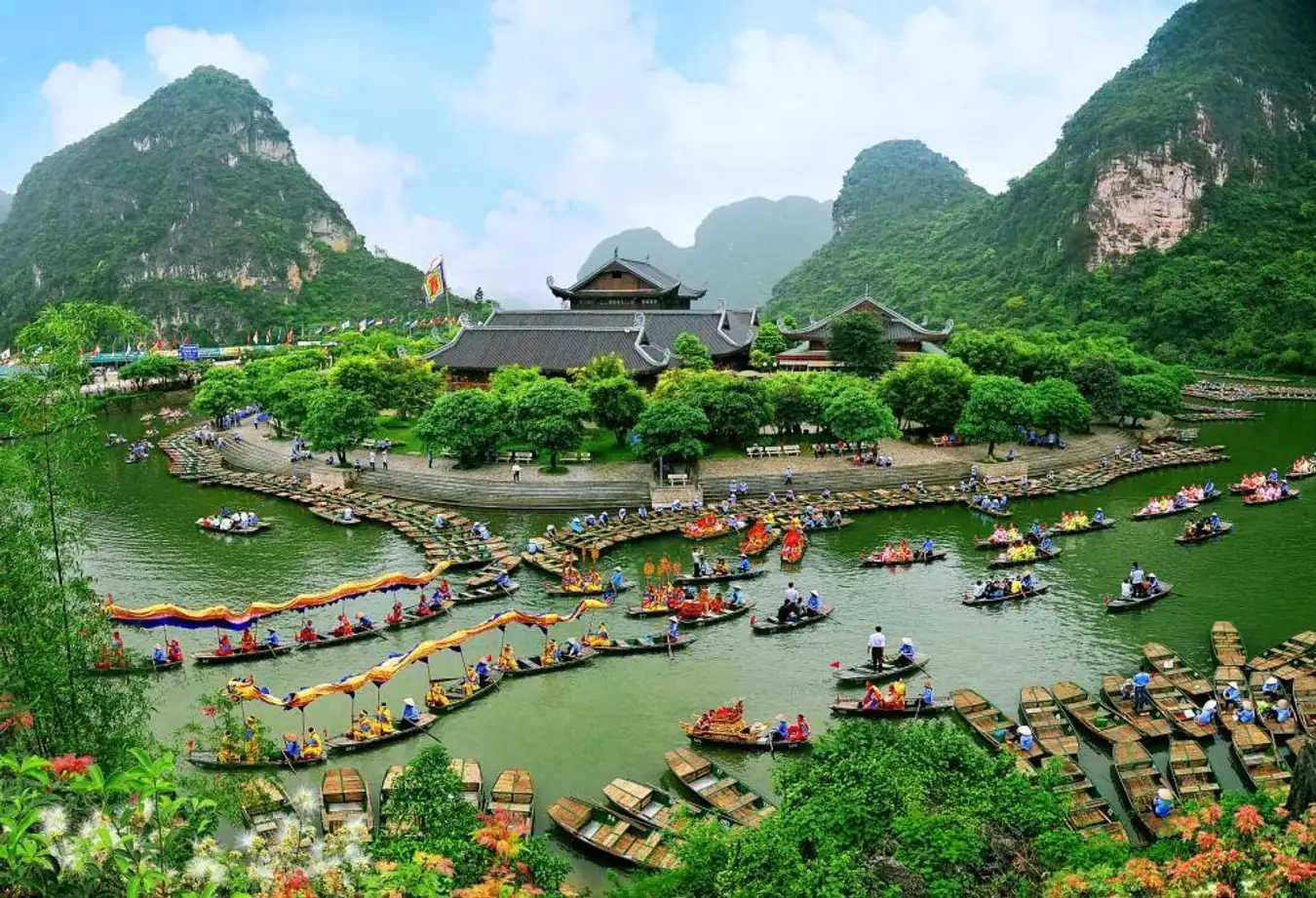
⭐ The Origin and History of Trang An
✔ What Does “Trang An” Mean?
The name “Trang An” traditionally refers to a royal capital or sacred land in ancient Vietnamese literature. It symbolizes an important political and spiritual center of the nation.
✔ Historical Development
-
Used as a natural defense system during the Dinh and Le dynasties
-
Served as waterways and hidden routes for soldiers and supplies
-
Home to ancient temples, pagodas, and archaeological sites
✔ UNESCO World Heritage Recognition
In 2014, Trang An Scenic Landscape Complex was recognized by UNESCO as a World Cultural and Natural Heritage Site, making it the first mixed heritage site in Southeast Asia.
⭐ The Origin and History of Mua Cave (Hang Mua)
✔ When Was Mua Cave Established?
Mua Cave dates back to the 13th century, during the Tran Dynasty.
✔ Why Is It Called “Hang Mua” (Mua Cave)?
According to legend:
-
King Tran Thai Tong visited this area and often came here to watch royal dancers and musicians perform.
-
The Vietnamese word “Múa” means “dance”, which is how the cave received its name.
Thus, Hang Mua literally means “Dancing Cave.”

⭐ Why Are Trang An & Mua Cave Important Tourist Attractions?
🌿 Outstanding Natural Beauty
-
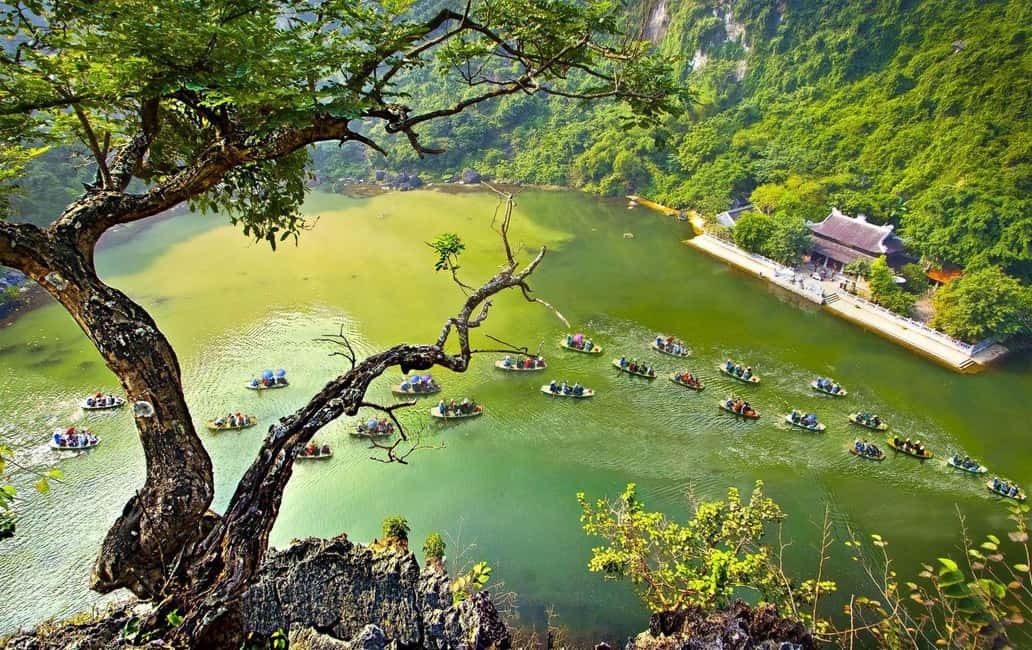
Emerald rivers flowing through caves
-
Limestone mountains rising from rice fields
-
Ancient forests and valleys
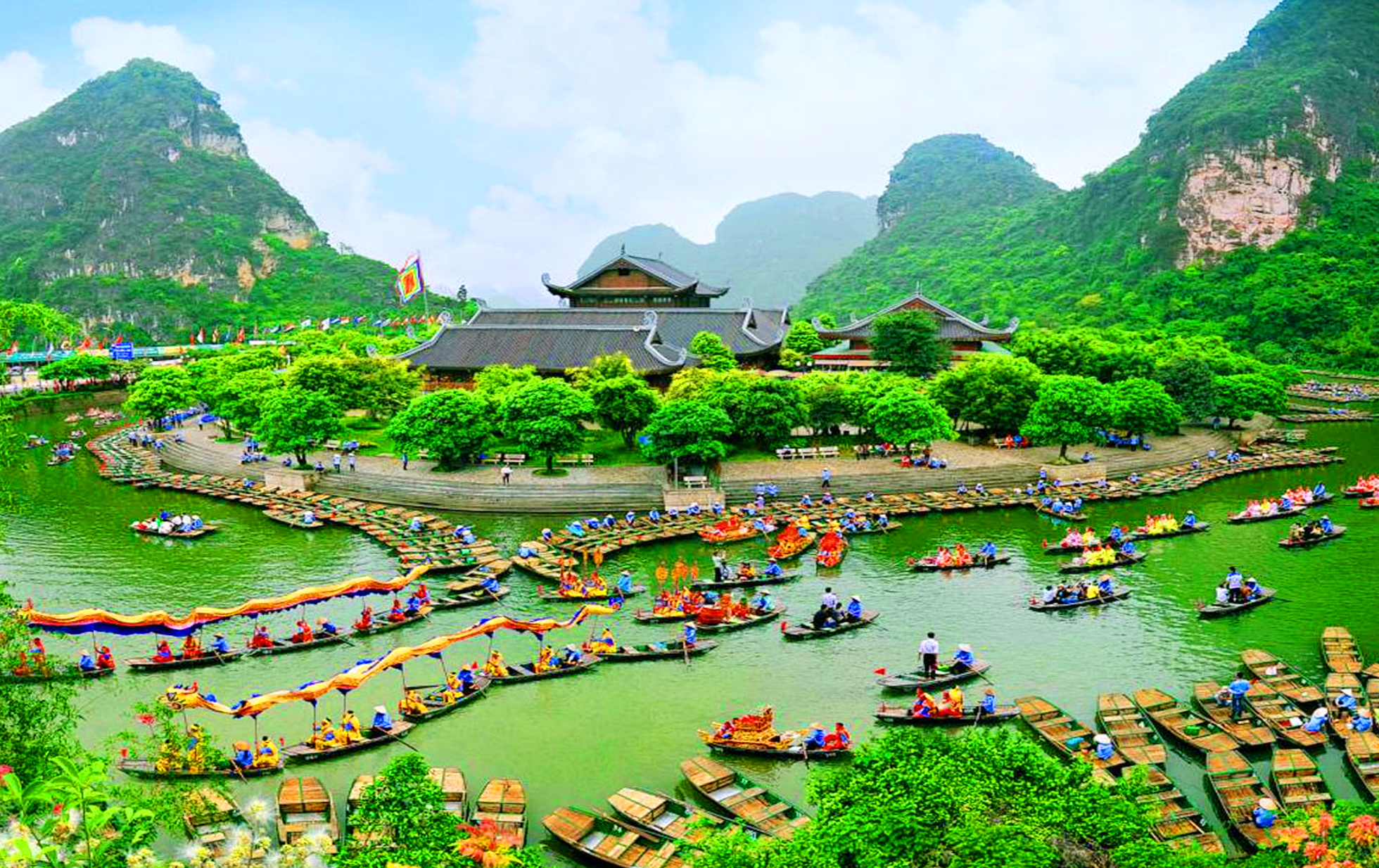
🚣 Unique Trang An Boat Experience
-
Traditional sampan boats
-
Multiple cave systems (Hang Sang, Hang Toi, Hang Nau Ruou)
-
Temples hidden in the mountains
🐉 Mua Cave Viewpoint – Iconic Dragon Mountain
-
500 stone steps to the top
-
Panoramic views of Tam Coc & Trang An
-
Stone dragon statues inspired by imperial architecture
🏛️ Cultural & Spiritual Heritage
-
Ancient pagodas and temples
-
Archaeological remains of early human settlement
-
Strong connections to Vietnamese royal history
⭐ State Recognition & Tourism Development
The Vietnamese government has officially designated Trang An and Mua Cave as:
-
National Special Heritage Sites
-
Key cultural and eco-tourism destinations
-
Protected areas under strict conservation policies
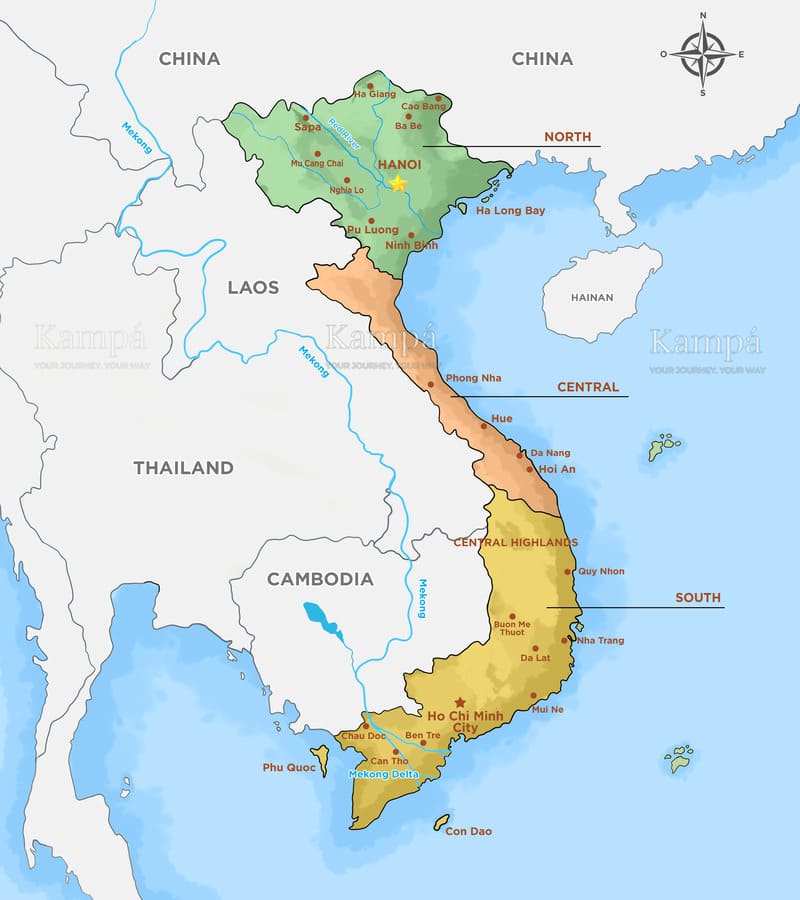
They are now among the top tourist attractions in northern Vietnam, easily accessible from Hanoi.