Ha Giang Sleep Homestay
Ha Giang Travel Guide: What to Know, Best Places to Visit & The Culture of the Love Market
Ha Giang, located in Vietnam’s northernmost mountains, is one of the most spectacular destinations for adventure lovers and culture seekers. Famous for winding mountain passes, ethnic minority villages, and deep-rooted traditions, Ha Giang offers a truly authentic travel experience.
This guide covers everything tourists need to know, from travel tips to the famous ethnic Love Markets and the traditional “wife-catching” ritual, explained respectfully as part of local heritage.
✅ 1. Essential Things to Know Before Visiting Ha Giang
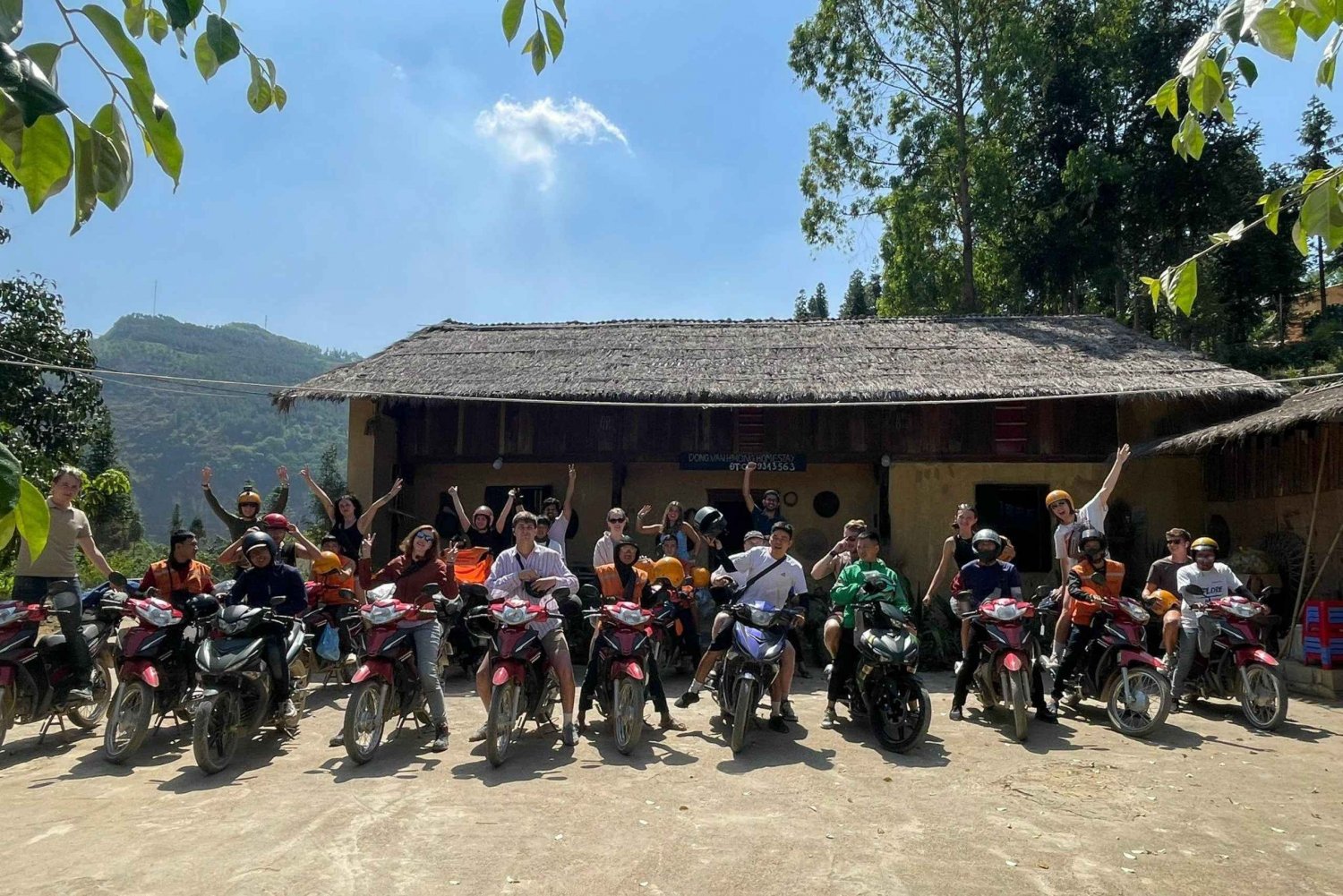
✔️ Ha Giang Loop Requires Good Riding Skills
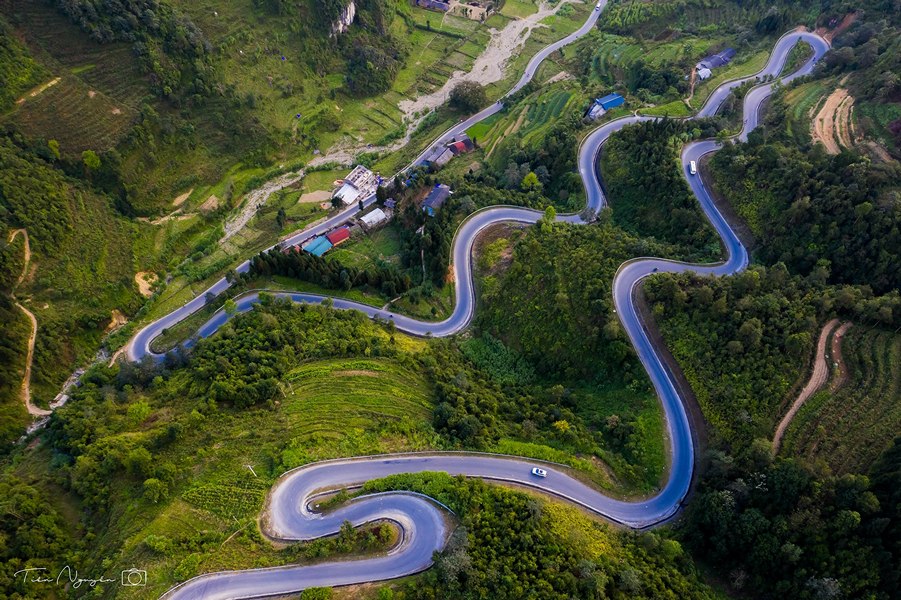
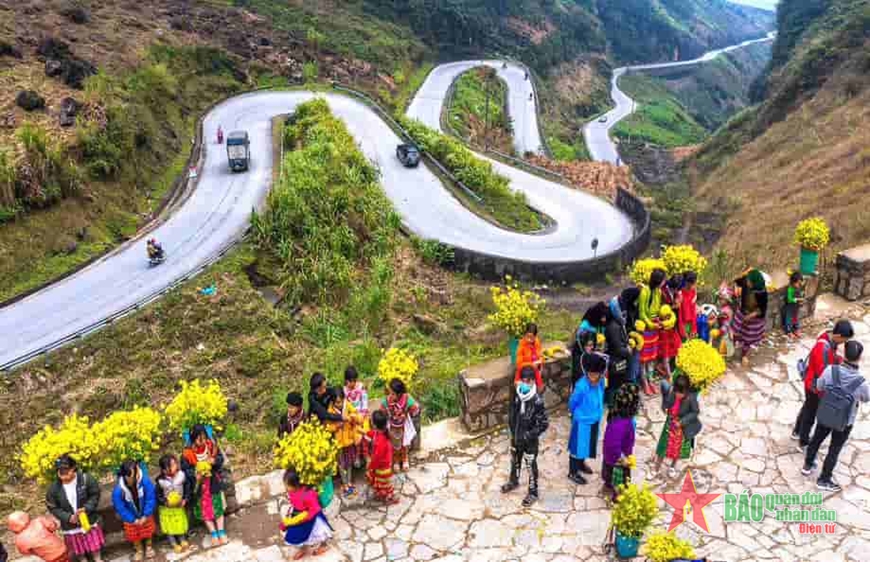
The Ha Giang Loop includes narrow mountain roads, sharp turns, and steep passes.
Visitors can choose:
-
Motorbike with local driver (easy rider) – safest and most popular.
-
Self-driving – only recommended for experienced riders with an international license.
✔️ Weather Changes Quickly
-
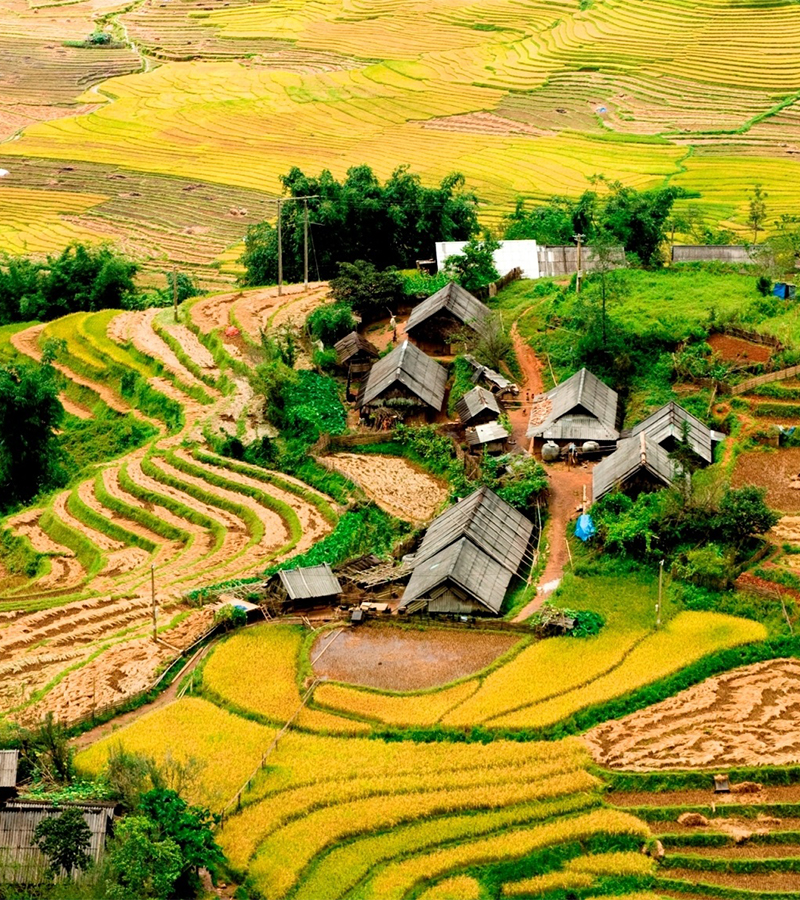
September–November: Best time (golden rice terraces, clear skies).
-
December–February: Cold but beautiful with mist and clouds.
-
March–May: Blooming flowers, pleasant weather.
✔️ Homestays Are the Best Cultural Experience
Staying with ethnic families (Tay, Hmong, Dao…) allows travelers to experience local food, traditional architecture, and daily life.
✔️ Respect Local Customs
Ha Giang is home to more than 20 ethnic minority groups. Photography should be done politely, and modest clothing is recommended in villages.

❤️ 2. The Ha Giang Love Markets & the “Wife-Catching” Tradition
📌 What Is the Love Market?
Love Markets (“Chợ Tình”) are unique cultural gatherings held by ethnic minorities, mainly the Hmong, Giay, and Dao people.
They are not commercial markets, but places where young people meet friends, sing, play traditional instruments, and express affection.
Famous Love Markets in Ha Giang:
-
Khâu Vai Love Market (held once a year in April) – the most famous
-
Dong Van Market (every Sunday)
-
Meo Vac Market (every Sunday)
📌 Origin of the “Wife-Catching” Ritual
The “wife-catching” custom (“kéo vợ”) is an ancient Hmong courting tradition that dates back hundreds of years.
Its purpose is not violence, but a symbolic ritual where:
-
A boy and girl love each other.
-
The boy “invites” the girl to his house for three days.
-
If the girl agrees, the families meet and prepare for marriage.
-
If the girl does not agree, she is free to return home – consent is required in modern practice.
Today, the ritual is mainly symbolic, performed during cultural festivals to preserve heritage.

🏞️ 3. Best Places to Visit in Ha Giang (Top Attractions for Foreign Tourists)
🌟 Dong Van Karst Plateau UNESCO Global Geopark
A breathtaking landscape of limestone mountains, deep valleys, unique rock formations, and timeless ethnic villages.
🌟 Ma Pi Leng Pass
Known as one of Vietnam’s “Four Great Passes,” Ma Pi Leng offers dramatic views over the Nho Que River canyon.
🌟 Nho Que River & Tu San Canyon
Travelers can take a boat ride on the emerald-green river and admire the deepest canyon in Southeast Asia.
🌟 Lung Cu Flag Tower
The northernmost point of Vietnam, symbolizing national pride with sweeping mountain views.
🌟 Dong Van Old Quarter
A 100-year-old market town with traditional houses, lantern-lit streets, and lively weekend markets.
🌟 Meo Vac Town
Famous for Sunday markets, ethnic gatherings, and panoramic mountain scenery.
🌟 Du Gia Village
A peaceful valley known for waterfalls, rice fields, and beautiful community-based tourism.
🌟 Quan Ba Heaven Gate & Twin Mountains
A scenic viewpoint overlooking the Twin Fairy Mountains, lush valleys, and ethnic villages.
🍲 4. Traditional Foods to Try in Ha Giang
-
Thắng cố (Hmong traditional soup)
-
Bánh tam giác mạch (buckwheat cake)
-
Thịt gác bếp (smoked buffalo meat)
-
Cháo ấu tàu (medicinal rice porridge)
-
Men men (steamed corn powder)
-
Mint honey & buckwheat wine
These dishes reflect the long-standing culinary traditions of ethnic highland communities.
🌍 5. Why Foreign Travelers Love Ha Giang
-
Incredible mountain scenery
-
Authentic ethnic culture
-
Adventure-filled motorbike loop
-
Unique festivals and centuries-old traditions
-
Friendly homestays and slow local lifestyle
Ha Giang is more than a destination — it is a journey into Vietnam’s most untouched and culturally rich region.