


Incense Village, Hat Village day trip
Vietnam’s Incense Village – History, Heritage & Cultural Recognition
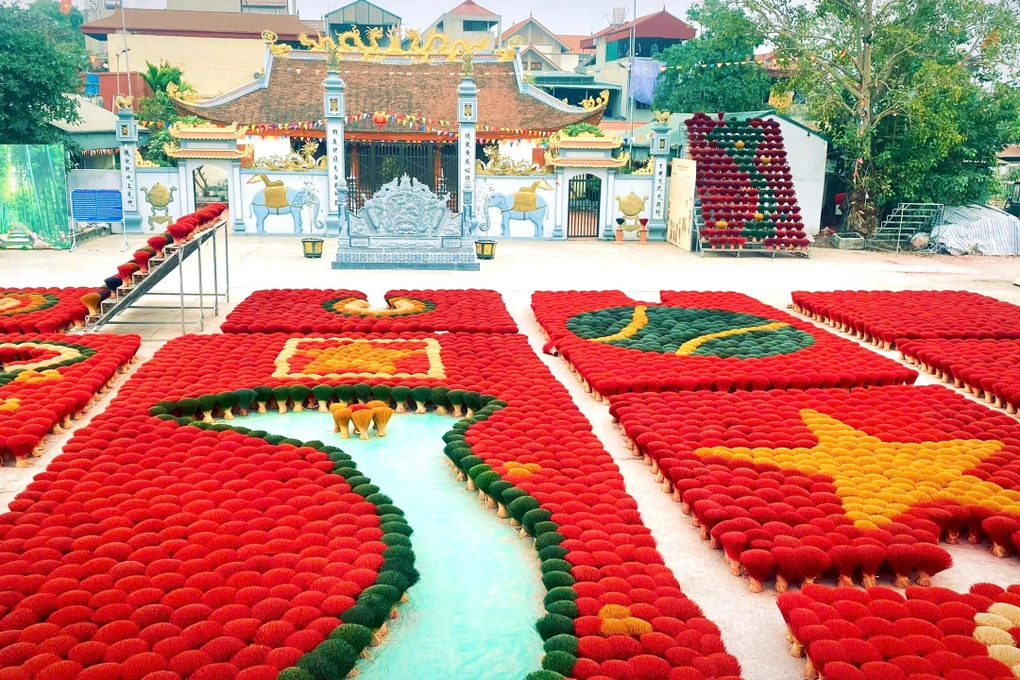
Vietnam’s famous Incense Village (also known as Quang Phu Cau Incense Village in Hanoi) is one of the oldest traditional craft villages in the country. Known for its vibrant red incense sticks arranged like giant blooming flowers, the village has become a symbol of Vietnamese spirituality and craftsmanship. Today, it is recognized internationally and attracts thousands of tourists, photographers, and cultural researchers each year.
🌟 Origin & History of the Incense Village
The Incense Village has a history of more than 100 years, dating back to the early 20th century. According to village records:
-
The craft of making incense began as a small family tradition.
-
Over generations, the techniques were passed down through local artisans.
-
By the mid-1900s, the village became one of northern Vietnam’s largest incense-making communities.
-
The craft developed into a full-time profession for many families.
Today, nearly every household participates in the production of incense sticks, turning the entire village into a colorful cultural destination.
⭐ Why Is It Called “Incense Village”?
The village earned its name because:
-
Over 70% of residents produce incense for temples, festivals, ceremonies, and everyday use.
-
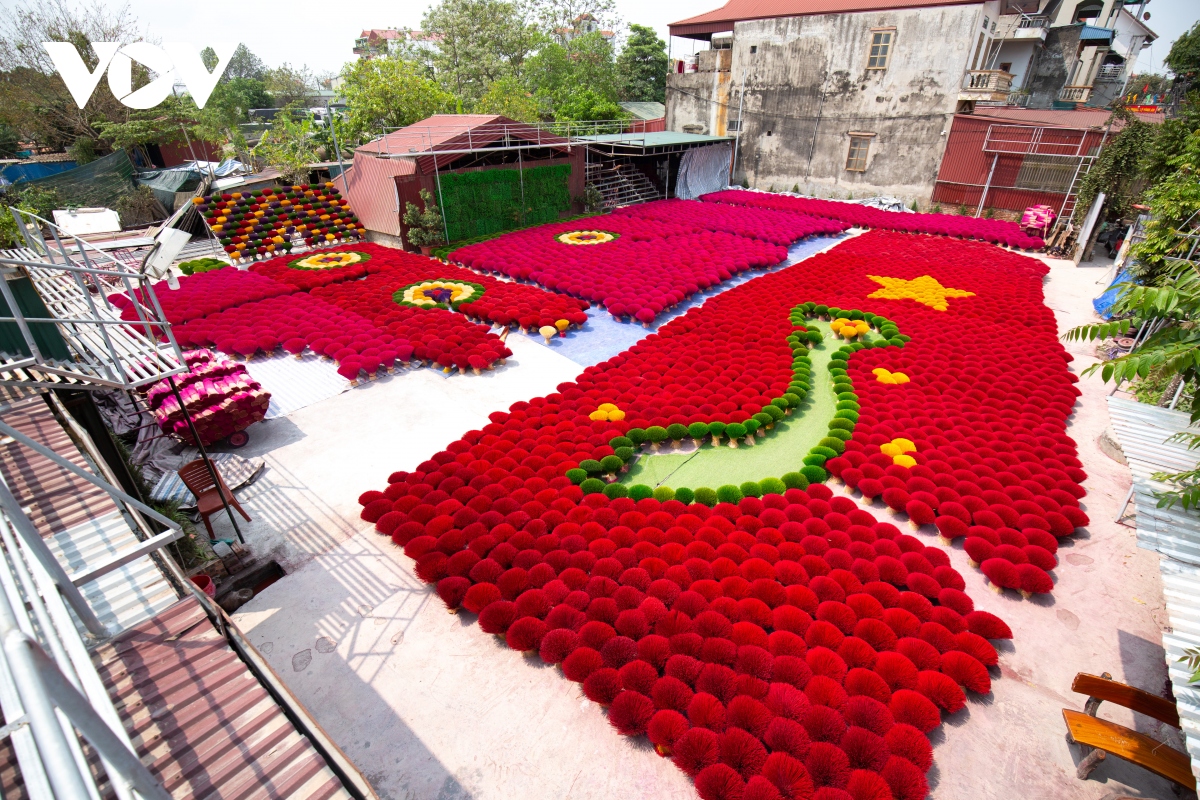
During production season, the streets are covered with bright red incense bundles, creating a unique and unforgettable image.
-
The village is famous for its traditional handmade techniques, from dyeing bamboo sticks to blending natural aromatic powders.
Because of its vibrant colors and ancient craft, international visitors refer to it as “The Village of Incense”.
🏛️ Cultural Heritage & Important Sites in the Incense Village
1. Ancient Incense Workshops
Traditional family workshops that have preserved:
-
Handmade bamboo splitting
-
Natural drying techniques
-
Aromatic herbal powder blending
-
Traditional dyeing processes
2. Communal House & Village Temple
These sites preserve the cultural and spiritual significance of incense in:
-
Worship
-
Prayers
-
Festivals
-
Ancestral traditions
3. Traditional Craft Streets
Walk through lanes filled with:
-
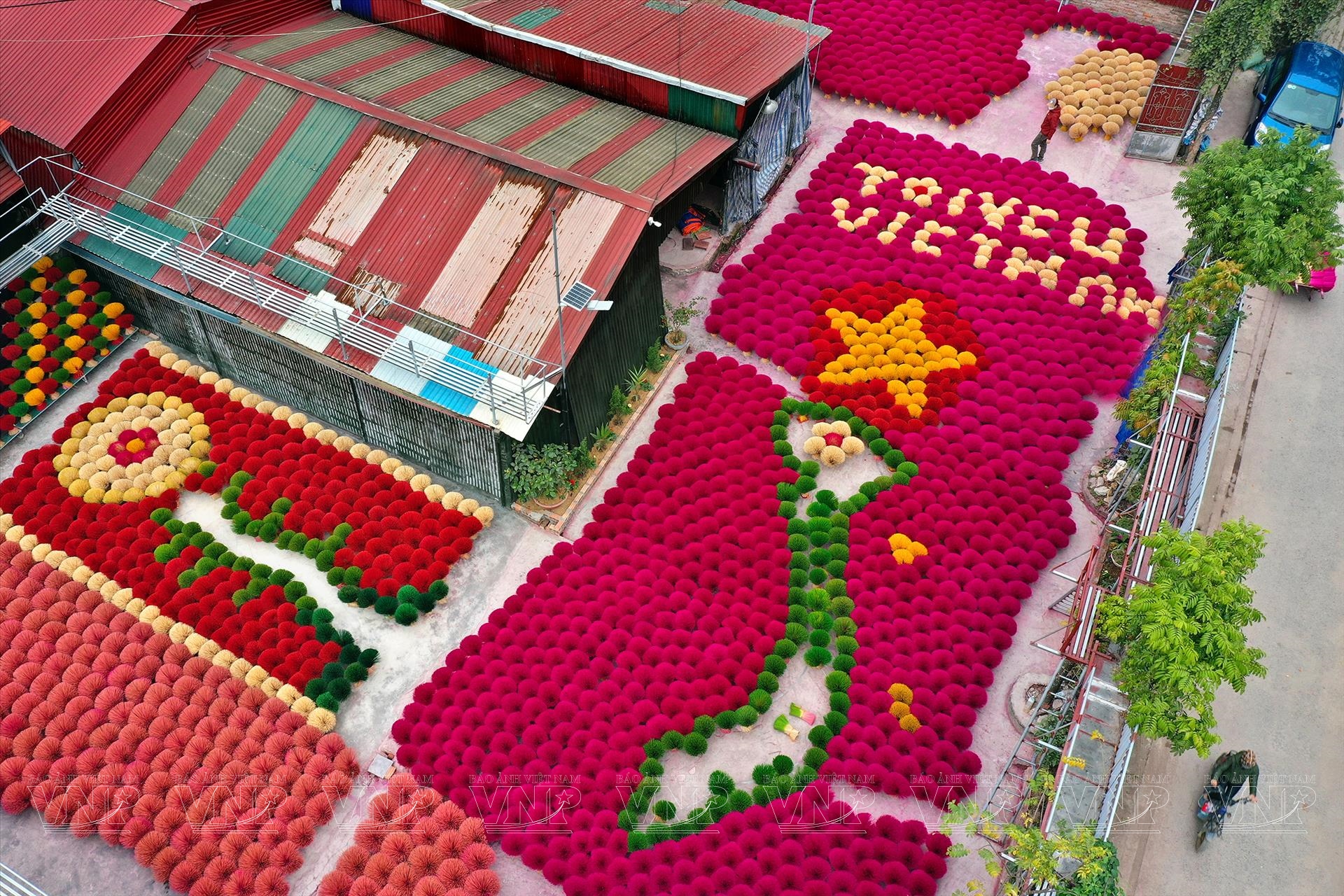
Red incense bouquets
-
Yellow bamboo sticks
-
Local artisans working by hand
This is also a world-famous photography destination, often featured in:
-
National Geographic
-
BBC Travel
-
Reuters
-
Discovery Asia
🌍 Global Recognition
The Incense Village has gained international recognition for:
-
Its unique visual beauty
-
Traditional craft preserved for over a century
-
Contribution to Vietnamese spiritual culture
-
The handmade process that remains unchanged for generations
Many global travel magazines have named it one of the most photogenic traditional craft villages in the world.
It is also recognized as part of Vietnam’s Intangible Cultural Heritage, celebrated for maintaining traditional craftsmanship, cultural identity, and spiritual heritage.
👣 What to See & Do When Visiting
-
Watch artisans handcraft incense step by step
-
Take photos with colorful incense flowers
-
Learn about traditional rituals and spiritual customs
-
Buy handmade incense as eco-friendly souvenirs
-
Explore local markets and village temples
