


Ha Giang Sleep Homestay
Ha Giang 4 Days 3 Nights Winter Adventure – Explore Ethnic Minority Villages & Local Life | Travel Guide
A 4-day 3-night Ha Giang winter journey is one of the most meaningful travel experiences in Northern Vietnam. Beyond the majestic mountains, winding passes, and peaceful villages, Ha Giang offers a touching look into the lives of ethnic minority communities during the cold season.
This guide covers everything travelers need to know, including cultural experiences, winter conditions, and the daily challenges local children face—especially the lack of warm clothing during winter months.
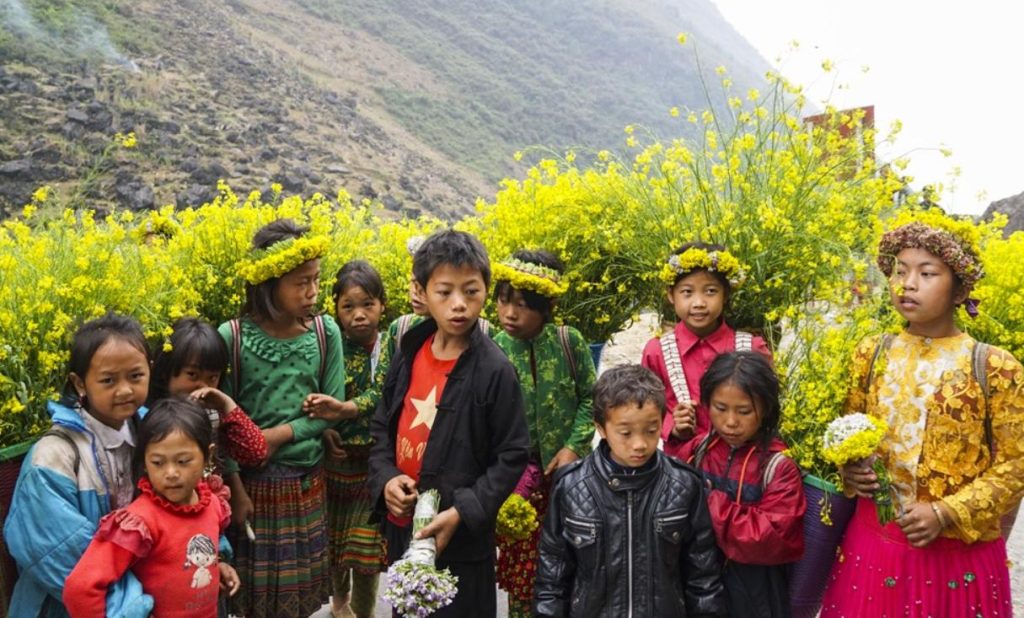
❄️ Why Visit Ha Giang in Winter?
Ha Giang winter lasts from December to February, bringing:
-
Temperatures from 3°C – 12°C
-
Morning fog and dramatic mountain views
-
Quiet villages surrounded by limestone peaks
-
Authentic local life of H’Mong, Dao, Tay, and Lo Lo people
Traveling during winter offers a deeper understanding of the region’s culture and living conditions.
🌄 4D3N Ha Giang Winter Exploration – Highlights
🛣️ Day 1: Hanoi → Ha Giang City → Quan Ba Pass
-
Enjoy the scenic ride through mountains and rice fields
-
Visit a traditional Tay village
-
Explore Heaven’s Gate and the Twin Mountains of Quan Ba
-
Learn about local winter lifestyle and farming challenges
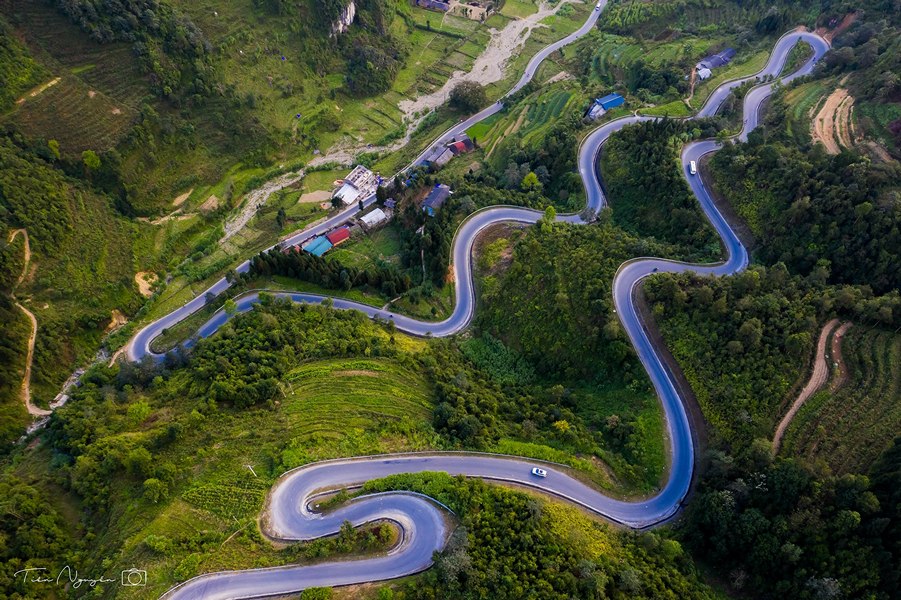
🏡 Day 2: Quan Ba → Yen Minh → Dong Van Karst Plateau
-
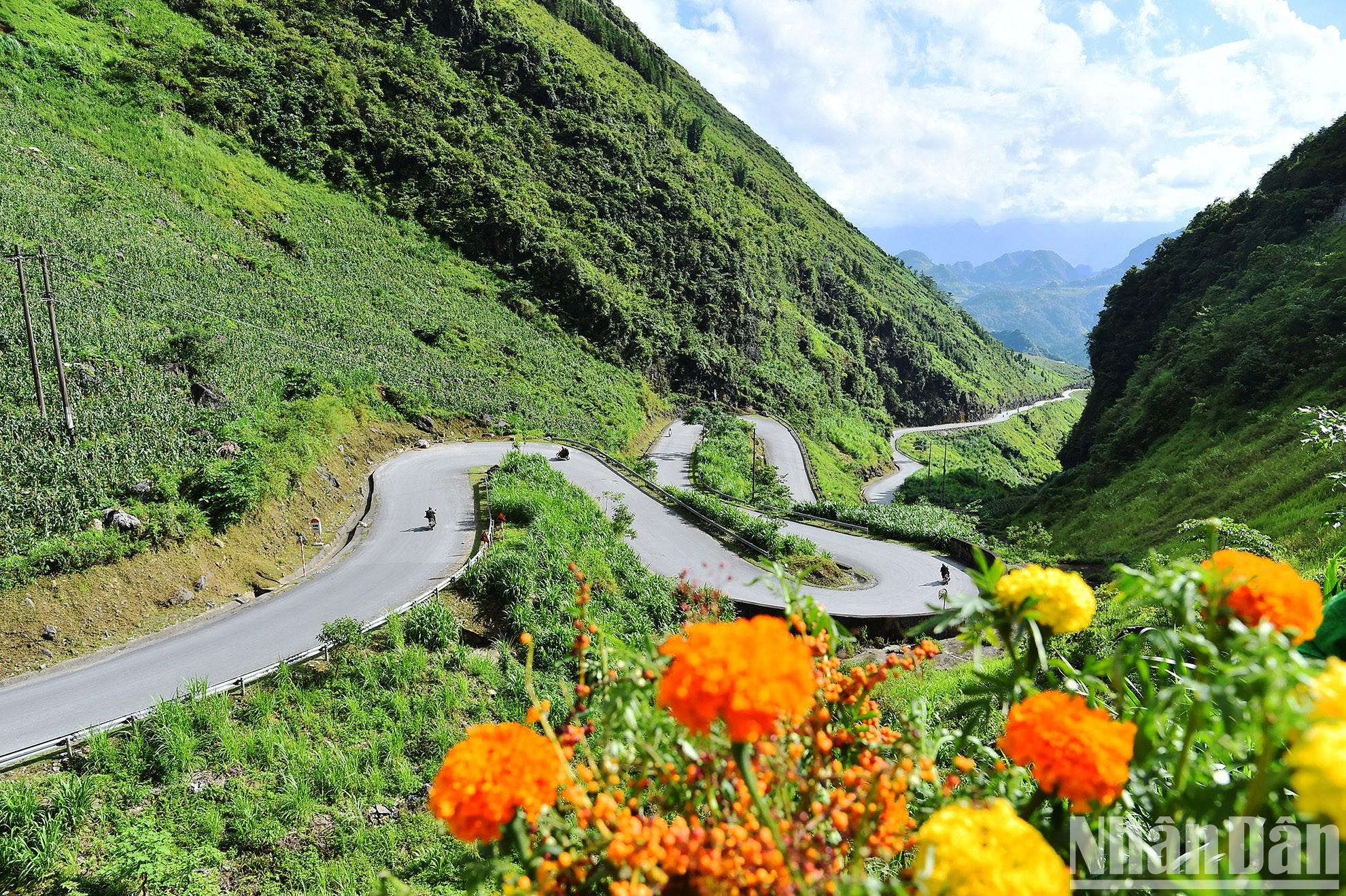
Drive through the stunning limestone geopark
-
Visit local H’Mong houses made of clay and stone
-
Explore Dong Van Old Quarter and its ancient architecture
-
Learn about winter traditions and how families prepare for the cold season
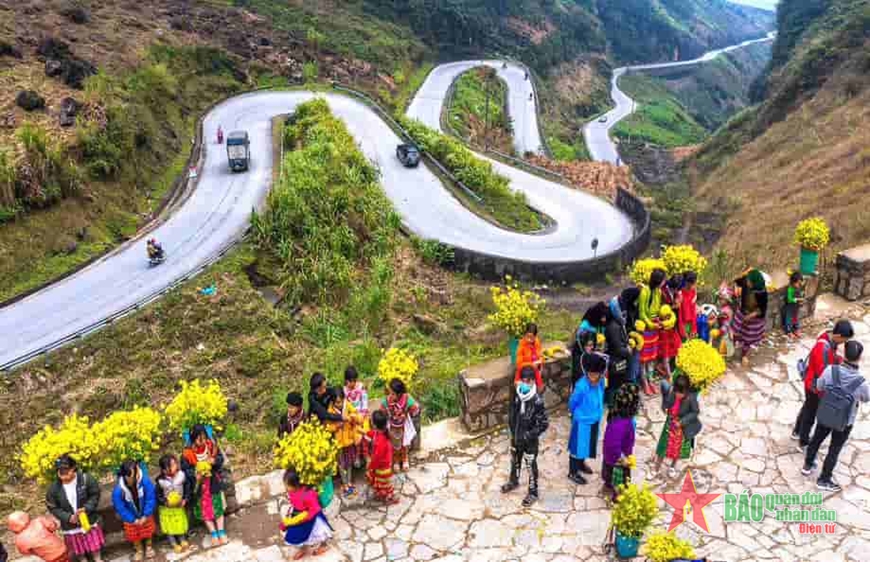
🏯 Day 3: Dong Van → Lung Cu Flag Tower → Ma Pi Leng Pass
-
Trek up to Vietnam’s northernmost point: Lung Cu Flag Tower
-
Visit the Lo Lo ethnic village below
-
Experience the breathtaking Ma Pi Leng Pass
-
Take a boat ride on Nho Que River (weather permitting)
🌾 Day 4: Meo Vac → Mau Due → Hanoi
-
Visit local morning markets
-
Interact with minority communities
-
Return to Hanoi with unforgettable memories of Ha Giang’s winter beauty
💛 A Meaningful Experience: Meeting Local Children in Winter
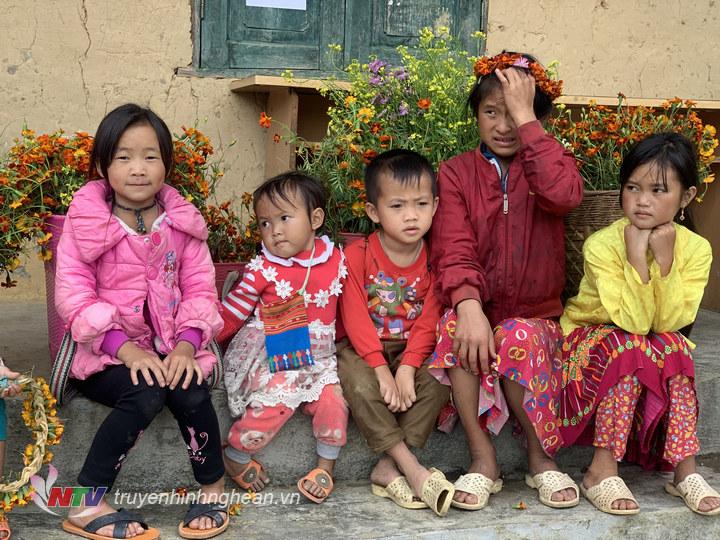
One of the most emotional parts of traveling to Ha Giang in winter is witnessing the reality faced by ethnic minority children:
• Many children walk long distances to school
Over steep mountain paths, often in fog and cold winds.
• Lack of warm clothing
Children in remote villages often wear thin shirts, sandals, or old jackets during extremely cold weather.
• Limited winter resources
Families may not have enough blankets, heating, or proper winter gear.
Travelers often choose to bring:
-
Warm jackets
-
Socks & scarves
-
Notebooks & pencils
-
Small gifts for the children
These small actions leave a big impact and create meaningful travel memories.
🌤️ Winter Travel Tips for Ha Giang 4D3N
✓ Pack winter clothing
-
Thick jacket
-
Gloves, scarf, beanie
-
Warm socks
-
Comfortable trekking shoes
✓ Bring extra warm clothes to donate
If you wish, many villages welcome contributions for children and elderly people.
✓ Choose a good motorbike or car option
Winter roads can be slippery or foggy.
✓ Book accommodation in advance
Homestays in winter fill up quickly.
✓ Respect local culture
Ha Giang is home to more than 20 ethnic groups—ask before taking photos and be mindful of traditions.
🚐 Best Bus Options from Hanoi to Ha Giang
Travelers can choose among the following reliable bus services:
1. Luxury Limousine Bus (Sleeper Cabin)
-
Private cabin
-
Soft mattress
-
Charging ports
-
Departures: 22:00 – 23:00
-
Ideal for comfortable overnight travel
2. Sleeper Bus (Classic)
-
Budget friendly
-
Departures throughout the day
-
Suitable for backpackers
3. VIP Tourist Bus from Hanoi Old Quarter
-
Free hotel pickup
-
English-speaking assistance
-
Safe for first-time travelers
All buses arrive directly at Ha Giang City, where the motorbike loop begins.
🌟 Why This Tour Is Perfect in Winter
-
Magical foggy mountain views
-
Quiet, peaceful scenery
-
More authentic village interactions
-
Cultural understanding beyond normal sightseeing
-
Opportunity to give back to local communities
Winter in Ha Giang is not just a trip—it’s a meaningful and unforgettable travel experience.
