






Incense Village, Hat Village day trip
Chuong Conical Hat Village Tour – Traditional Craft, Local Food & The Art of Making Vietnam’s Iconic Nón Lá
Located just outside Hanoi, Chuong Village is one of Vietnam’s most famous traditional craft villages, known for producing the iconic nón lá (Vietnamese conical hat). For centuries, the elderly artisans of the village have kept this unique handicraft alive through skill, patience, and passion. A tour to Chuong Village offers visitors the chance to discover the local lifestyle, taste delicious village specialties, and learn how conical hats are made and sold across Vietnam.
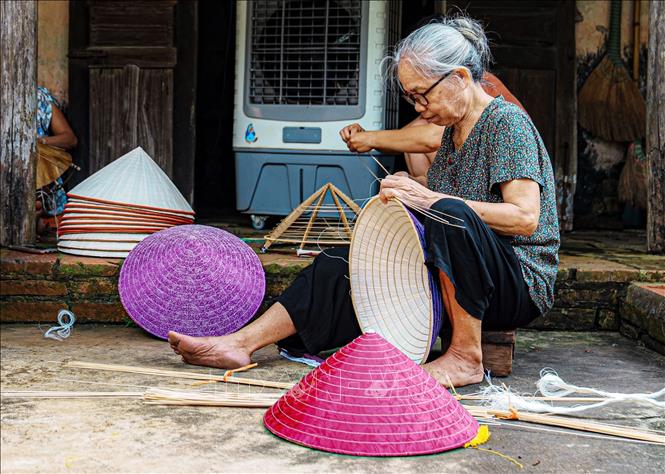
1. What Makes Chuong Conical Hat Village Special?
Chuong Village has been producing conical hats for more than 300 years. The village is known for:
-
High-quality handmade nón lá
-
Skilled artisans, many over 70 years old
-
Traditional houses filled with crafting materials
-
Peaceful countryside atmosphere
-
Unique local food you can only find in the village
It’s one of the best places to learn about Vietnamese culture, craftsmanship, and rural life.
2. Traditional Food You Should Try in Chuong Village
Even though it is small, the village offers some delicious local dishes:
✓ Bánh Tẻ (Rice Cake)
A soft white rice cake wrapped in dong leaves, filled with minced pork and wood ear mushrooms.
✓ Bánh Cuốn Làng Chuông
Steamed rice rolls with minced pork, herbs, and crispy shallots—fresh, light, and flavorful.
✓ Bánh Nếp (Sticky Rice Cakes)
Traditional sticky rice cakes made especially during festivals and special occasions.
✓ Local Tea & Peanut Candy
A simple but classic treat enjoyed by artisans while they work.
These foods are homemade by villagers, offering a truly authentic taste of the countryside.
3. How Conical Hats Are Made in Chuong Village
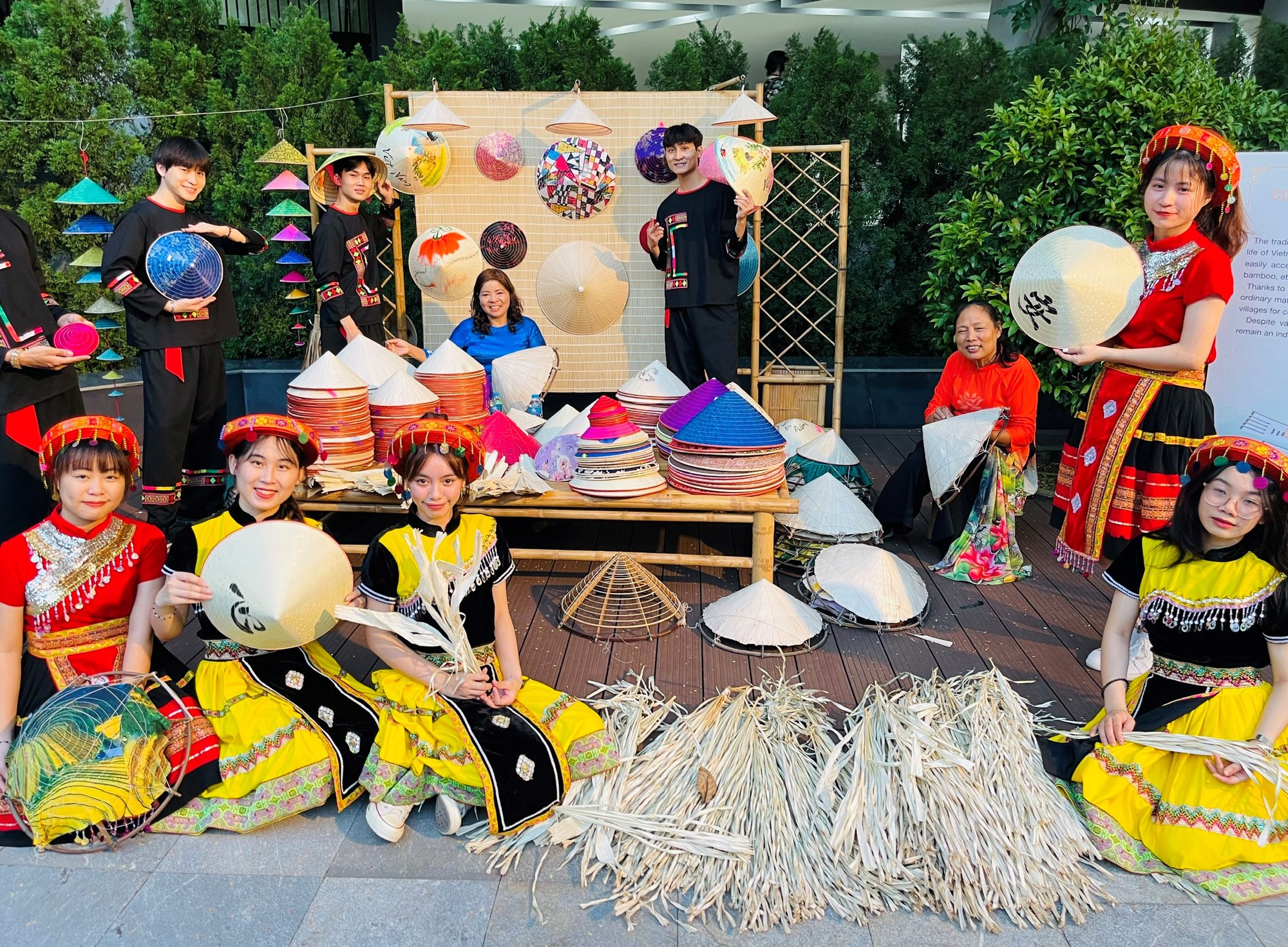
The process of making a nón lá is completely handcrafted, requiring many hours of dedication. Visitors can watch each step closely:
1. Selecting Palm Leaves
Villagers choose young palm leaves, dry them under the sun, then flatten them using a hot iron.
2. Creating the Bamboo Frame
Thin bamboo strips are shaped into a perfect circle to form the hat’s skeleton.
3. Layering the Leaves
Artisans gently place the leaves on the frame, adjusting each one until the shape is perfect.
4. Hand-Sewing
Using a thin needle and durable thread, the artisan stitches the leaves tightly, creating the final shape of the conical hat.
5. Adding the Finishing Touches
The hat is polished, dried, and decorated with a silk strap or simple patterns.
Most artisans are elderly women who have been making conical hats since childhood. Watching them work is a peaceful and meaningful cultural experience.
4. How Villagers Sell Conical Hats Across Vietnam
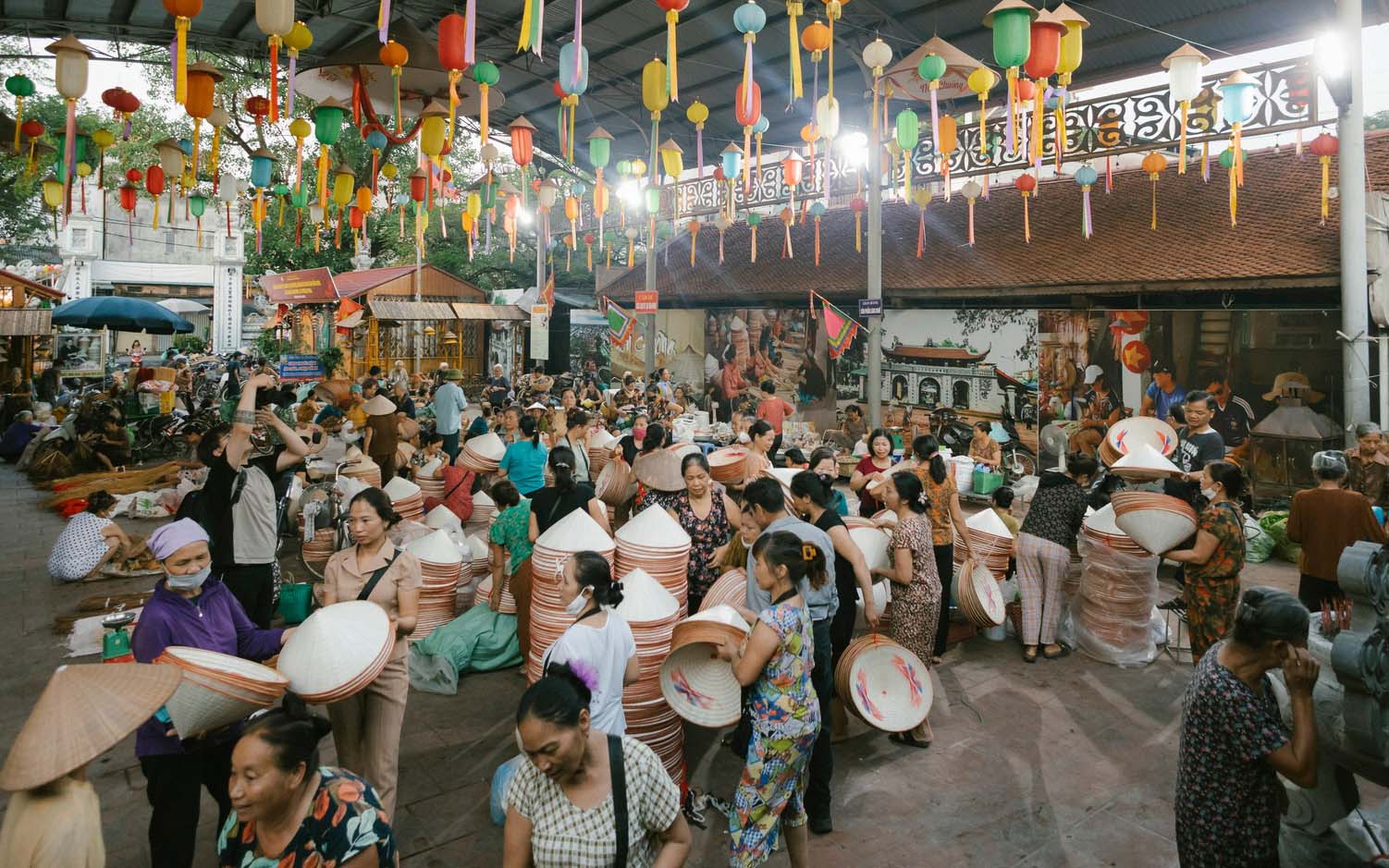
Chuong Village hats are sold widely throughout the country. The selling process includes:
-
Early morning market outings
-
Local merchants buying hats in bulk
-
Supplying traditional festivals and cultural performances
-
Selling to shops in Hanoi, Hue, Hoi An, and southern provinces
-
Providing hats for tourism, souvenirs, and daily use
Many families produce hundreds of hats each month and send them to different regions of Vietnam, keeping the tradition alive.
5. What You Will Experience on a Chuong Conical Hat Village Tour
✓ Visit Craft Houses
Walk through small alleys and enter local homes where artisans sit on the floor sewing hats.
✓ Try Making a Conical Hat
Travelers can try simple steps such as layering leaves or stitching the outer rim.
✓ Learn About Village History
Your guide will explain how the craft was passed down through generations.
✓ Enjoy Local Food
Taste homemade specialties prepared by locals.
✓ Meet Friendly Elderly Artisans
They will share stories about their life, daily work, and the traditions of the village.
6. Why This Tour Is Perfect for Travelers
-
Ideal for culture lovers
-
Great experience for families and students
-
Excellent for photography
-
A chance to support local artisans
-
Educational and unique
Conclusion
A visit to Chuong Conical Hat Village is more than just a tour—it’s an opportunity to connect with Vietnam’s cultural heritage. From tasting local food to watching elderly artisans handcraft beautiful nón lá, travelers experience a meaningful journey through tradition, craftsmanship, and rural life. This is a must-do cultural activity when visiting Hanoi.
